Methods Of Treating Hepatic Encephalopathy Using Rifaximin
Patent No. EP3628319 (titled "Methods Of Treating Hepatic Encephalopathy Using Rifaximin") was filed by Salix Pharmaceuticals on Oct 2, 2009. The application was issued on Feb 14, 2024.
Patent Summary
Rifaximin is utilized to treat hepatic encephalopathy (HE) and reduce the frequency of associated hospitalization visits. The method comprises the oral administration of rifaximin in tablet form at a daily dosage between 1000 mg and 1200 mg (specifically 1100–1200 mg, or 550 mg twice daily) for a duration of 12 months or longer. Rifaximin, a non-systemic, broad-spectrum antibiotic, inhibits bacterial RNA synthesis to reduce gut-derived nitrogenous toxins. Efficacy is measured by increased time to first HE-related hospitalization or spontaneous bacterial peritonitis, decreased blood ammonia concentrations, improved Conn scores, reduced asterixis grades, and improved quality of life (CLDQ and Epworth Sleepiness Scale scores). Rifaximin may be administered alone or in conjunction with other agents, such as lactulose.
Patent Family
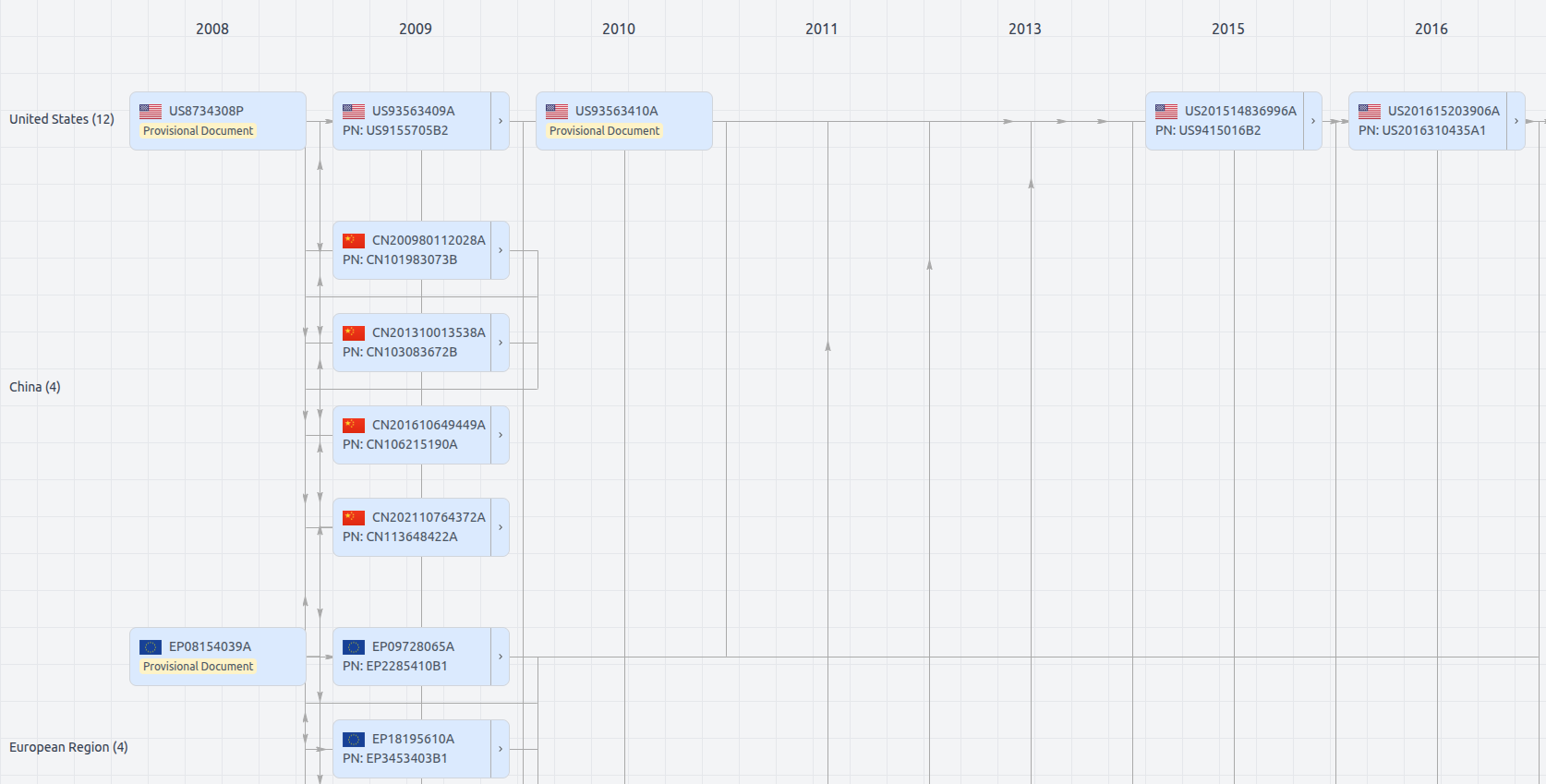
Patent Oppositions (6)
Patent oppositions filed by competitors challenge the validity of a granted patent. These oppositions are typically based on claims of prior art, lack of novelty, or non-obviousness. They are a key part of the process for determining a patent's strength and enforceability.
Dossier Documents
The dossier documents provide a comprehensive record of the patent's prosecution history - including filings, correspondence, and decisions made by patent offices - and are crucial for understanding the patent's legal journey and any challenges it may have faced during examination.
EP3628319
- Application Number
- EP19207534A
- Filing Date
- Oct 2, 2009
- Status
- Granted And Under Opposition
- Jan 12, 2024
- Publication Date
- Feb 14, 2024
- External Links
- Slate, Register , Google Patents